The search for thousands of missing people is now drawing on specialised international help.
The Nepal-Tibet floods have killed more than 1,000 people and left about 4,500 missing. Destroyed bridges, unstable ground and blocked hydropower tunnels have made conventional rescue work slow and dangerous.
Nepal has asked other countries for targeted support, including life-detecting equipment, prefabricated bridges and technical expertise. Tens of millions of pounds in aid have arrived, while domestic emergency teams continue searches and reopen access routes.
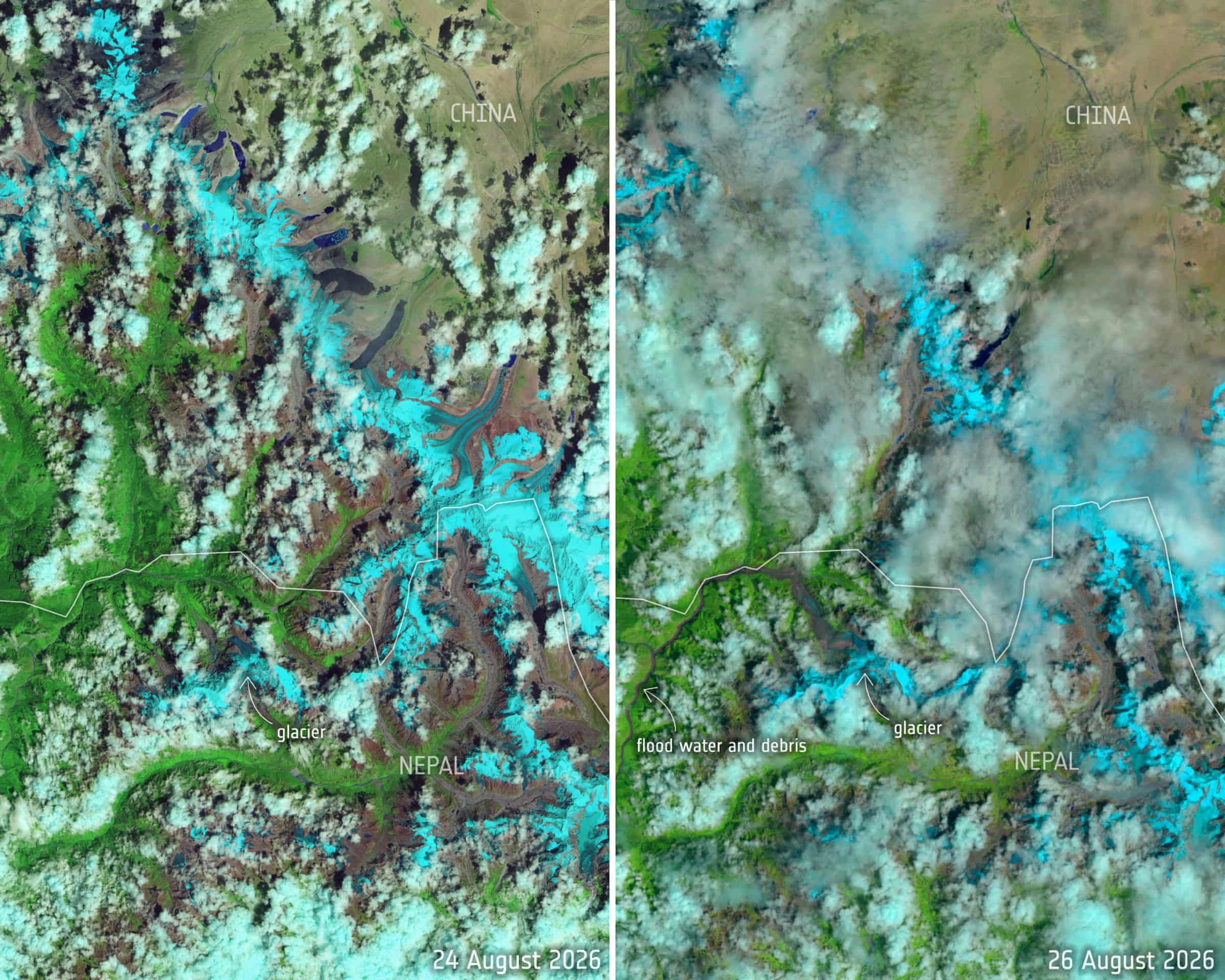
The longer-term response is a shared Himalayan warning network combining satellite imagery, glacier sensors, river gauges and alerts for workers and downstream communities. Common evacuation maps and regular drills could turn a few minutes of notice into lives saved.
Technology cannot prevent every sudden collapse, and warnings are useless without trusted communication or safe routes. Cross-border data can also be politically sensitive. Monitoring must sit alongside stronger construction rules and honest decisions about development in extreme-risk valleys.